Columbia Chimney Sweep

Chimney Sweep in Columbia, TN

Chimney sweeping and inspection for Maury County — from the clay-tile flues in Columbia's historic districts to the prefab fireplaces going into new Spring Hill construction, we know what's inside the chimneys here and what each kind needs before winter.

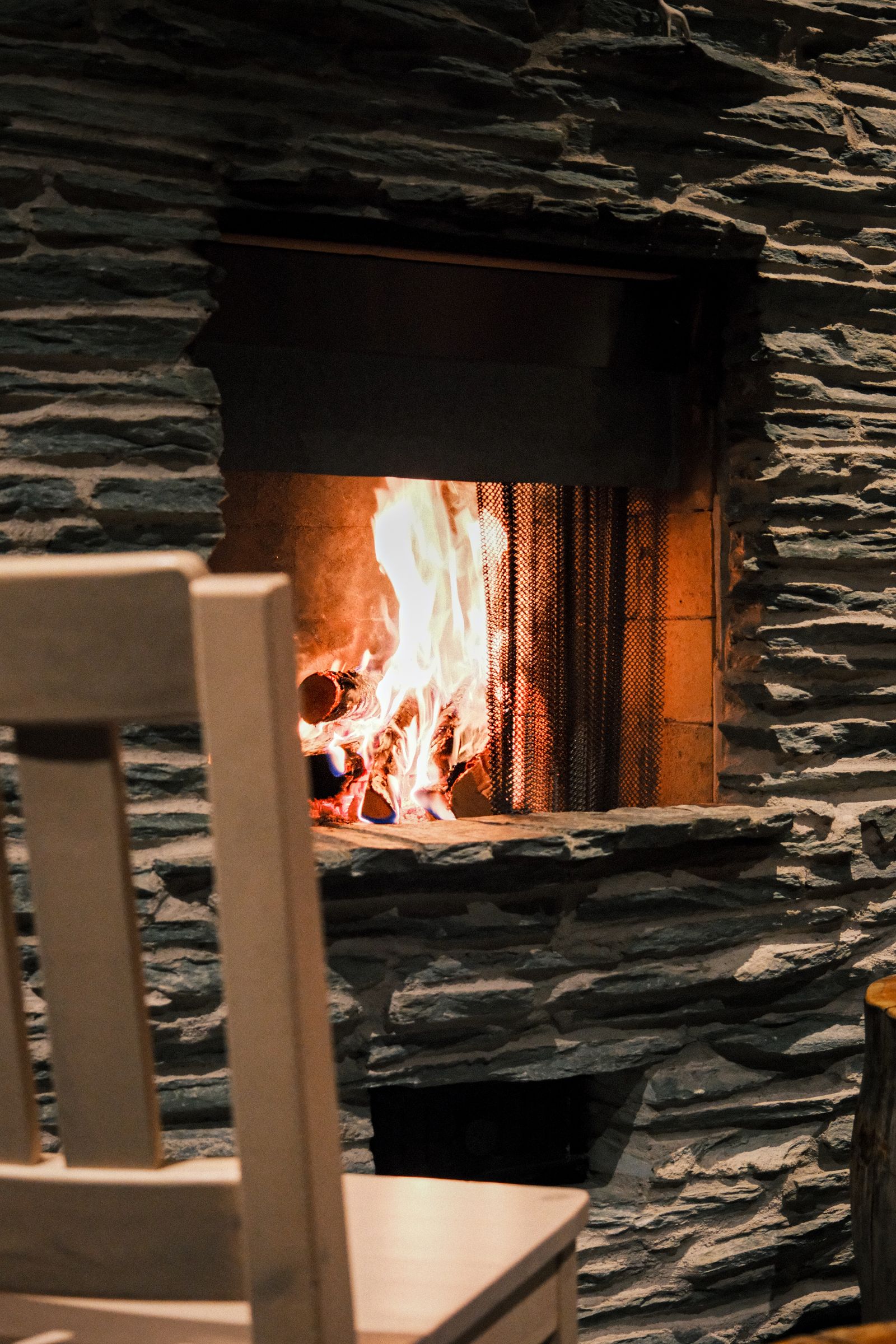
A clean, well-maintained fireplace with a warm fire burning

Free quotes

No-obligation pricing, up front.

Local to Columbia

We know the area and serve it.

Fast response

Same-day callbacks whenever we can.

Chimney Sweep done right in Columbia

A dirty or blocked chimney does more than risk a fire — it can push smoke and carbon monoxide back into your home and make every fire harder to light and slower to draw. A proper sweep and inspection keeps the flue drawing the way it should, so your fireplace stays safe, efficient, and ready whenever you want it.

The Chimney Safety Institute of America (CSIA) recommends every chimney be inspected at least once a year, and swept whenever creosote buildup reaches about 1/8 inch. Columbia Chimney Sweep handles both for homeowners across Columbia, TN — a thorough cleaning plus a real look at the firebox, damper, flue, and cap so you know your system is safe to use, not just clean to look at.

Call for a free, no-obligation quote and we’ll get you on the schedule before the season gets busy.

The warm, humid summers common to this part of Tennessee give mold and moisture a real foothold inside chimney systems that sit unused for months. By the time cool weather arrives and families are ready to light the first fire, a flue that has been closed up all season deserves a careful look before it is put back to work.

Two kinds of chimneys, one county

Maury County's chimneys split into two very different generations. In Columbia's older neighborhoods — the historic districts around downtown and the craftsman and ranch homes that ring them — we find original masonry chimneys, many with clay tile liners that have taken decades of thermal stress, and some older flues with no liner at all. Those systems need a careful Level 1 or Level 2 inspection, because the failure points are cracked tiles and eroded mortar joints you can't see from the hearth.

Then there's the growth corridor: Spring Hill and the new subdivisions spreading between it and Columbia, where builders install factory-made fireplace systems. Those are safe and efficient when everything matches the manufacturer's spec — but chase covers rust, caps go missing, and a prefab firebox that's out of spec is not a repair-it-later problem. Different animal, different checklist, and we carry both.

Wherever your home falls on that spectrum — Columbia, Spring Hill, Mount Pleasant, or anywhere in Maury County — Columbia Chimney Sweep will tell you plainly what your system is and what it needs. Quotes are free and no-obligation at (931) 343-7274.

What's included

  • Full-length flue sweep with HEPA dust containment
  • Creosote removal and cap/spark-arrestor clearing
  • Check for nesting, blockages, and obvious liner damage
  • A clear summary of the chimney’s condition when we’re done
  • A free, no-obligation quote before any work
  • Level 1 visual inspection of firebox, damper, flue, and cap

How it works

  1. 1

    Inspection first

    We start by looking at the firebox, damper, smoke chamber, flue, and cap — and check how the chimney is drafting. That tells us how much creosote has built up and whether anything else (a cracked liner, a missing cap, an animal nest) needs attention.

  2. 2

    Dust-free sweep

    We seal the fireplace opening and use rod-and-brush sweeping with HEPA vacuum containment, so the soot ends up in our equipment — not on your floors, furniture, or walls.

  3. 3

    Clear the flue & cap

    We remove creosote down the full length of the flue and clear the cap and spark arrestor of debris and nesting, so smoke draws properly and embers stay contained.

  4. 4

    Walk you through what we found

    When we’re done you get a plain-English rundown of the chimney’s condition, any safety concerns, and what (if anything) needs follow-up — no upsell, no scare tactics.

Why choose a local pro

Columbia, TN sits in a part of Middle Tennessee where winters bring genuine cold snaps and shoulders seasons that swing unpredictably between mild and freezing. That freeze-thaw cycle is hard on mortar joints and chimney crowns, working moisture into small cracks and widening them season after season. A sweep who understands this pattern knows to look beyond creosote and check masonry integrity before the first real burn of the year.

Much of the housing stock here ranges from older craftsman and brick ranch homes to newer construction that spread across the county over the past few decades. Older homes often have clay tile liners that have seen decades of thermal stress, while newer builds sometimes have prefabricated fireplace systems that require a completely different inspection approach. Knowing which you are likely to find — and what each demands — is something a locally experienced technician brings to every job.

Signs you may need chimney sweep

  • A strong campfire or tarry smell coming from the fireplace, especially in humid weather
  • Black, flaky or shiny tar-like buildup visible on the firebox or flue walls
  • Birds, squirrels, or scratching sounds in the chimney — a sign of nesting or a missing cap
  • Fires that are hard to start or won’t stay lit (often a draft or buildup problem)
  • You haven’t had the chimney swept in over a year (CSIA recommends annual inspection)
  • Smoke pushes back into the room instead of drawing up the flue
  • An older Columbia home whose chimney has never had a camera inspection — cracked clay liner tiles are invisible from below
  • Rust streaks on the chase cover of a prefab fireplace in newer Spring Hill construction
  • White staining (efflorescence) on exterior chimney brick after freeze-thaw winters — moisture is moving through the masonry

Our promise

Every quote is free and no-obligation, and we’ll never invent work you don’t need. We tell you honestly what your chimney needs and what it doesn’t — and we leave your home as clean as we found it.

Helpful guides

Straight answers to the questions homeowners ask us most.

Areas we serve

Other services

Frequently asked questions

How often should a chimney be swept in Columbia?
The CSIA recommends a chimney inspection at least once a year, and a sweep whenever creosote reaches about 1/8 inch. If you burn wood regularly through a TN winter, that usually works out to once a season; lighter or occasional use may stretch longer, but the annual inspection still applies.
How much does a chimney sweep cost in Columbia, TN?
It depends on the chimney’s height, how much buildup there is, and whether you need just a sweep or a sweep plus a fuller inspection or minor repair. Columbia Chimney Sweep gives free, no-obligation quotes — call us, describe your setup, and we’ll give you a clear price before any work starts.
What is creosote and why is it dangerous?
Creosote is the tar-like residue that condenses inside your flue when wood smoke cools. It builds in stages — from a light, flaky soot (1st degree) to a hard, shiny glaze (3rd degree) that is very difficult to remove. Creosote is highly flammable and is the leading cause of chimney fires, which is why clearing it before it accumulates matters.
Is the sweep messy? Will soot get in my house?
It shouldn’t. We seal off the fireplace opening and use HEPA vacuum containment while we sweep, so the soot is captured in our equipment. A proper sweep leaves your hearth and room as clean as we found them.
Do you inspect the chimney as well as clean it?
Yes. A sweep without a look at the system is only half the job. We perform a Level 1 visual inspection of the firebox, damper, flue, and cap, and flag anything that affects safety — nesting, blockages, a missing cap, or obvious liner damage — so you’re not just clean, you’re safe to burn.
My fireplace smells smoky — does that mean it needs sweeping?
Often, yes. A strong, tarry or campfire-like odour — especially when it’s humid — usually means creosote has built up in the flue. Smoke pushing back into the room is another common sign, though that can also point to a draft or blockage issue. Either way it’s worth an inspection before your next fire.
I have a gas fireplace — does that need sweeping too?
Gas appliances produce far less creosote than wood, but the venting still needs an annual inspection. Gas combustion produces moisture and acidic residue that can corrode a flue liner over time, and vents can still be blocked by debris or nesting. We can check it and tell you honestly whether it needs service.
How soon can you come out?
We aim to respond the same day you call. Fall and early winter are our busiest stretch in Columbia, so the earlier you reach out, the easier it is to get a slot before the cold really arrives. Call (931) 343-7274 and we’ll find the soonest time that works.
Do you serve Spring Hill and the rest of Maury County?
Yes. We cover Columbia, Spring Hill, Mount Pleasant, Culleoka, and the surrounding Maury County area. Spring Hill's newer homes mostly have prefab fireplace systems, which we inspect to a different checklist than Columbia's older masonry chimneys — call (931) 343-7274 and we'll take care of either.
My Columbia home is over 80 years old. Is the chimney safe to use?
It depends on the liner. Many older Columbia homes have clay tile liners with decades of thermal stress, and some pre-war flues were never lined at all. Cracked tiles and gapped mortar joints let heat and combustion gases reach the home's framing — and none of that is visible from the fireplace. A proper inspection answers the question definitively; that's the first thing we'd do.
When should I schedule a sweep in Columbia?
Late summer or early fall, before the first cold snap. Middle Tennessee's first genuinely cold week sends everyone to the phone at once, and the humid summer that just ended is exactly when moisture and odor problems develop in a closed-up flue. Beat the rush and you'll have your pick of appointment times.
Get your free quote

Fastest way to reach us is a quick call.

or

This is not an emergency line and is not monitored 24/7. In an emergency, call 911. Details.